Atlas
Water Atlas 2025
Data and facts about the basis of life


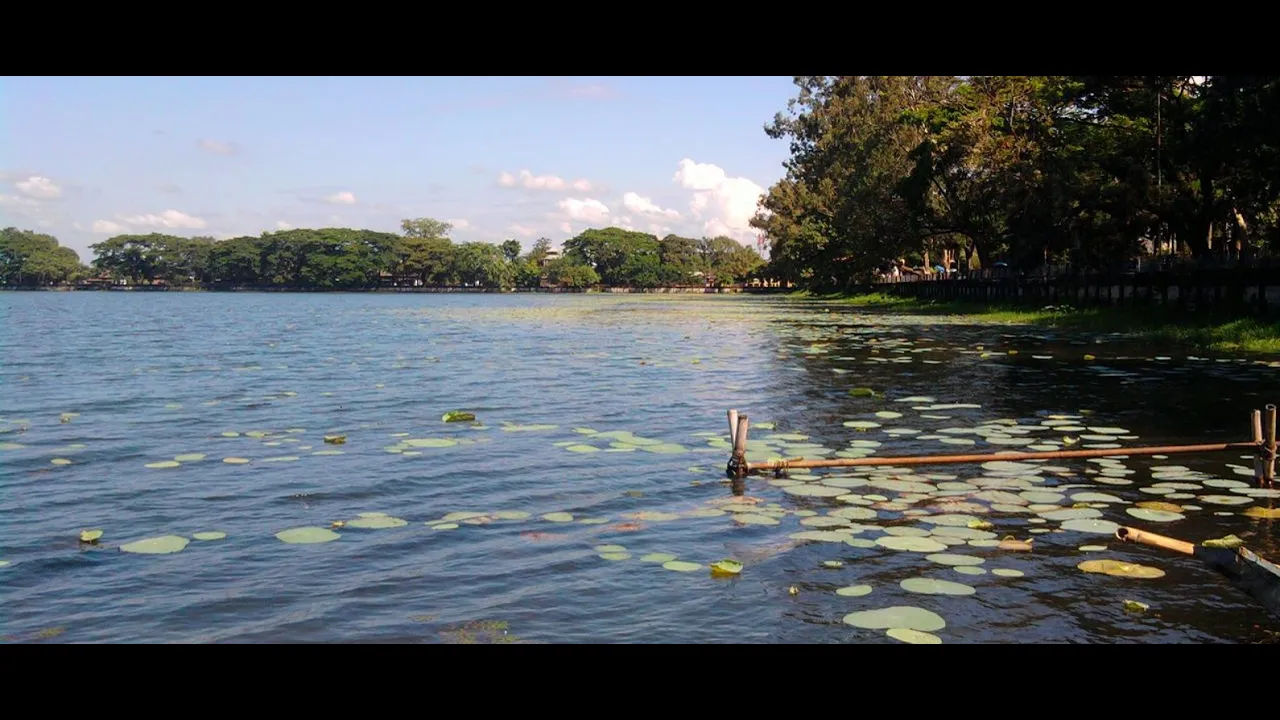
Water Atlas 2025 - Water challenges in Northeast India - Heinrich-Böll-Stiftung EU | Global Dialogue
 Watch on YouTube


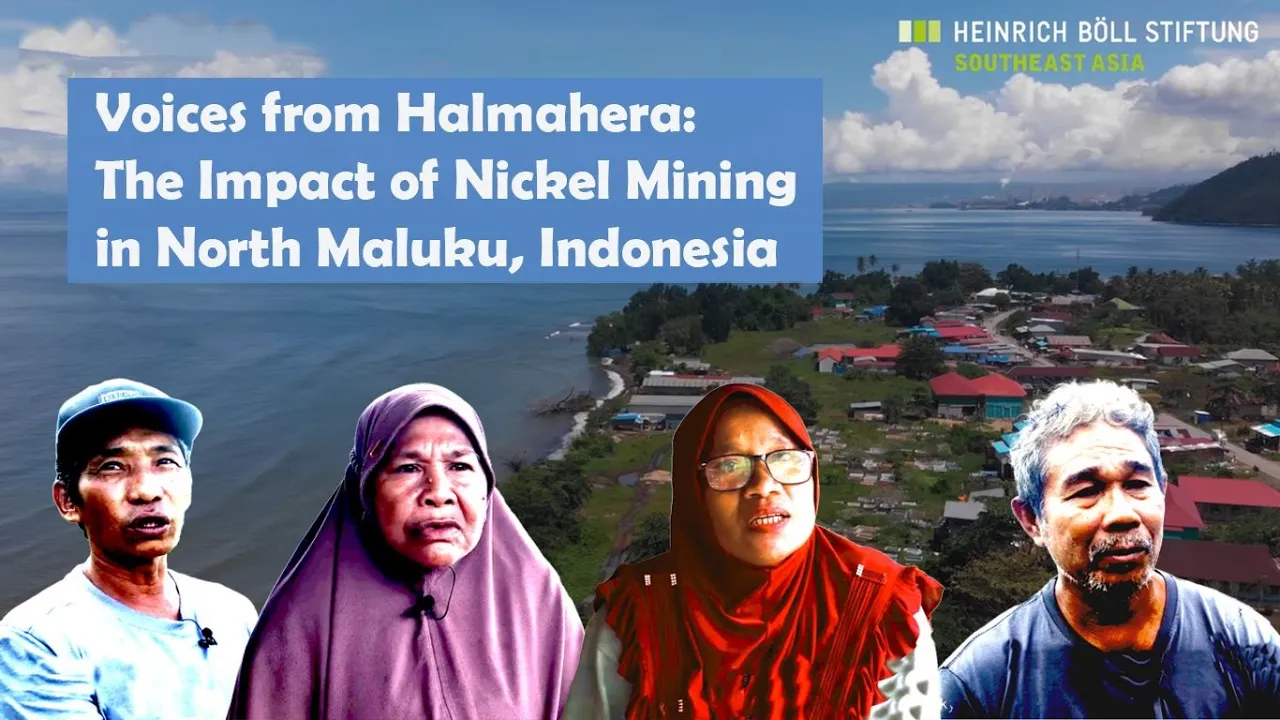
Voices from Halmahera: The Impact of Nickel Mining in North Maluku, Indonesia - Heinrich-Böll-Stiftung Southeast Asia
 Watch on YouTube

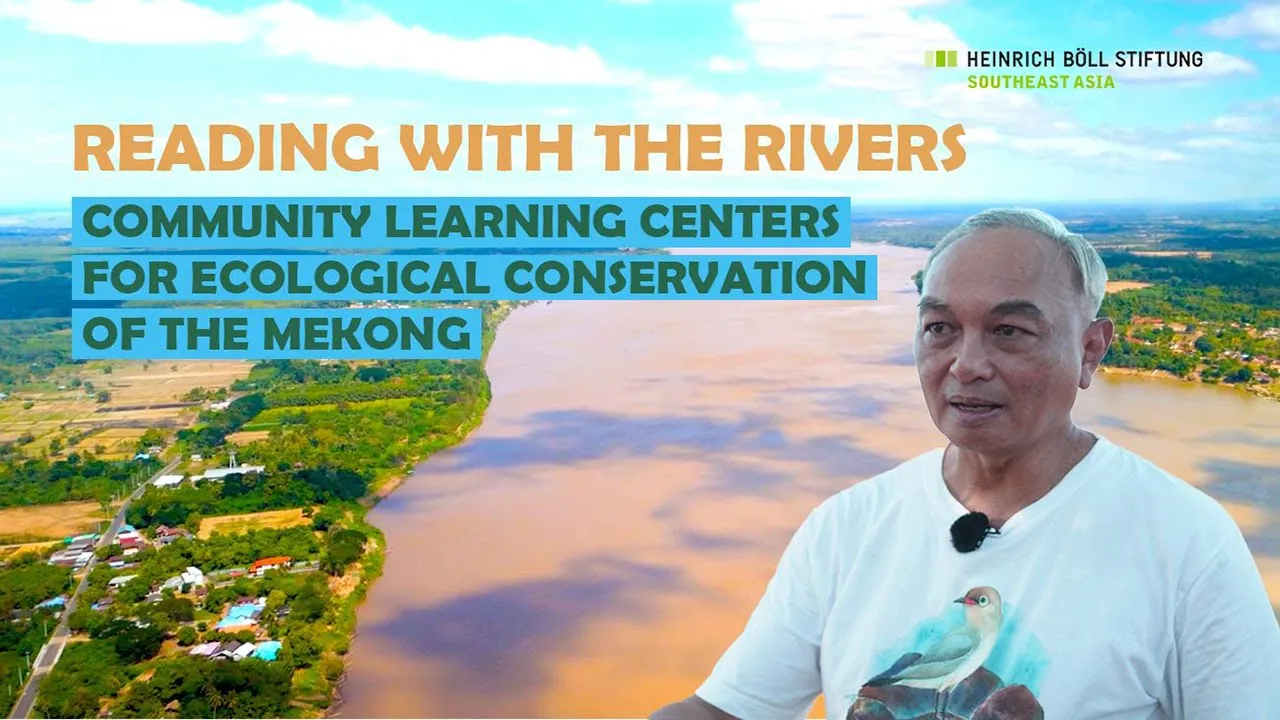
Reading with the Rivers: Community Learning Centers for Ecological Conservation of the Mekong - Heinrich-Böll-Stiftung Southeast Asia
 Watch on YouTube


Launch event in Brussels (5 November 2025)
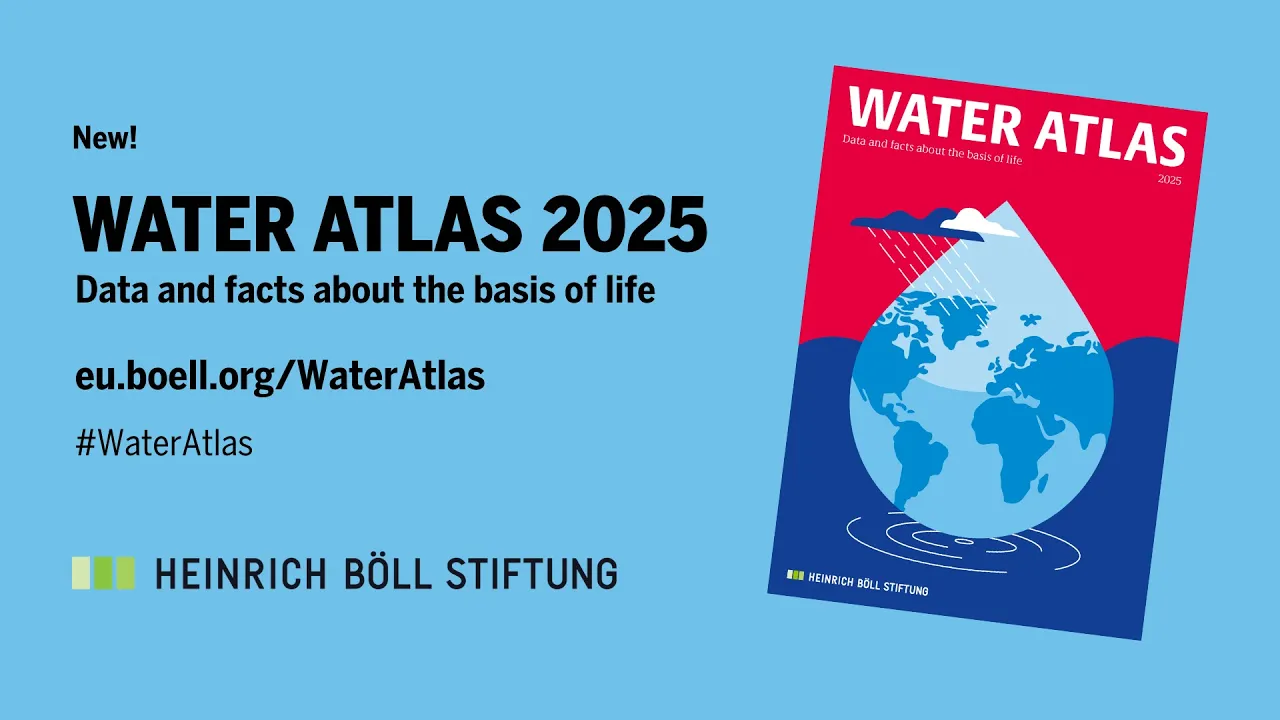

Water covers two-thirds of the Earth, is essential to life, and has shaped culture, the environment, and humanity since time immemorial. But this essential resource is under threat: overuse, pollution, and the climate crisis are destabilizing the water cycle. The Water Atlas 2025 aims to focus the public debate on protecting our waterways. In 19 articles and dozens of infographics, the Water Atlas 2025 examines these threatening developments: groundwater levels are falling, and drinking water supplies and ecosystems are at risk. Industry, agriculture, and our growing demand for resources are placing significant strains on water quality. Microplastics, chemicals, and pesticides are endangering humans and nature alike. Extreme weather events such as droughts and floods are increasing. Disadvantaged regions are particularly affected, which is exacerbating social tensions and conflicts. The connections between water and climate are complex and often poorly understood. The term "water blindness" describes the lack of awareness of the impacts of climate change on water. Although many people consider water worthy of protection, there is a lack of focus and determined implementation of protective measures. The Water Atlas 2025 raises awareness of these challenges and presents concrete approaches for sustainable water management. The Water Atlas 2025 makes it clear: preventative water protection, stricter political regulations, incentives for water-efficient production, and cross-border cooperation are necessary. International agreements such as the UN Water Conferences offer opportunities to develop and implement solutions. It's time: decisive action can protect the foundation of all life.