Based on the 2024 political guidelines and mission letters to the new European Commissioners, the EU’s approach towards democracy seems to have shifted from a focus on democratic resilience towards democratic security. After a thorough examination of the EU’s 2019-2024 democracy agenda, this study presents recommendations for the next legislative cycle.
This policy paper makes some suggestions as to how reforms could be possible with and without treaty changes and how the EU can preserve its future viability.
War in Europe, the worsening climate crisis, Europe's position in the global power structure: the EU is facing historic challenges. The European elections in June 2024 will decide what happens next. Current surveys see right-wing populist parties on the rise. They stir up fears about the future and stir up sentiment against Brussels without themselves having answers to the problems of our time. But we need positive and courageous ideas for Europe.
The EP 2024 elections could either invigorate the EU enlargement process or introduce new challenges, making it imperative to explore the possible impacts and strategic responses for the Western Balkans in this evolving context.
The 2024 presidential and parliamentary elections in North Macedonia occurred amidst increased Euroscepticism due to unmet high expectations for progress towards EU membership and failed promises to deliver justice and the rule of law in the country.
Heinrich Böll, a renowned German author, achieved bestselling status with his poignant works. In 1972, he made history by becoming the first German writer to receive the Nobel Prize for Literature after World War II. His novels and stories, still widely studied in schools today, have earned him a place among the literary classics. However, the personal experiences and motivations that shaped Böll's writing remain lesser known. This concise introduction aims to shed light on the life and driving forces behind one of Germany's most influential post-war voices.
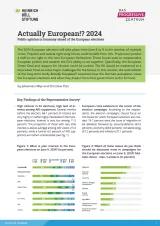
The sixth edition of the long-term study Actually European!? examines how the German population views the European elections and what they expect from their government at the EU level, ahead of the 6-9 June 2024 European elections.
In his book, author Vedran Horvat takes a personal journey through the last two decades of politics in the Western Balkans and sheds light on the potential of green politics under extremely difficult conditions.
This study aims to take stock of the progress of the last decade, as well as identify remaining barriers and new opportunities for women CSO leaders in achieving systemic change in Europe. The key findings indicate a concerning trend of burnout among women leaders in the CSO sector, hindering their efforts to drive systemic change.