The undeniable connections among the multiple crises that humanity faces today -- climate change, biodiversity loss, inequality, poverty, and the Covid-19 pandemic -- demand interconnected, rather than segmented, macro solutions. Responses must be systemic and address the structural dynamics and shortcomings of governance, economics and finance. A feminist and decolonial framing provides a lens for proposed reforms.
On the EU’s periphery, Serbia has deployed enough biometric surveillance technology from China’s Huawei for law enforcement and “Safe City” solutions to cover practically all of Belgrade’s public spaces. Public pressure has raised the bar for turning on the technology, but the alarming project illustrates the need for transparent regulation of such systems everywhere, to ensure the protection of fundamental human rights.
Trade agreements have become an important battleground for tech companies to fight the regulatory pressure they are finally facing in the Global North. But allowing tech companies to capture digital trade talks to defang domestic regulation creates serious risks for privacy, fundamental rights, competition, social and economic justice, and sustainable development.
The Covid-19 pandemic has shown that countries can marshal significant resources quickly and at scale in an emergency. The climate crisis requires no less. First and foremost, that means resolving longstanding issues of climate finance -- definitional disputes, access to financing, the obstacle of indebtedness, and underneath them all, trust that rich nations will deliver on their outstanding and new climate finance commitments. Only then can the international system ensure that the poorest and most vulnerable people, communities, and countries can make the necessary changes the whole world needs.
Expanding on the United Nations Women’s Rights Convention, Tunisia became the first Arab country to incorporate into its laws the notion of gender-based political violence. Can this concept now be incorporated into international instruments to benefit more women across the globe, starting with UN Women’s 2021 Generation Equality Forum?
The momentous African Continental Free Trade Area (AfCFTA), which went into effect on 1 January 2021, demonstrates the continent’s desire to carve its own economic destiny. But as Africa’s biggest trading partner, the European Union’s actions will have a strong impact on the project’s chances of success. The EU’s historical record suggests it would benefit from more serious listening to what its African partners want on trade.
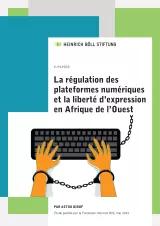
Les pays africains ont de plus en plus accès à l’Internet haut débit, les questions liées à la neutralité de l’internet, à la régulation et à l’interopérabilité adéquate se posent, il est nécessaire de veiller à ce que les citoyens puissent exercer librement leurs droits. En tant qu’intermédiaires, les plateformes numériques peuvent mettre en relation, faciliter l’accès à l’information, à la liberté d’expression et de communication. Ce qui fait que la force des plateformes tient en grande partie à leur capacité à multiplier les flux d’informations collectées auprès de leurs utilisateurs.
The aim of this paper is to contribute to an informed dialogue on the most appropriate forms of development finance. In view of the critical debt situation of African countries in the wake of the Covid-19 crisis, and of the longer-term ambition to deliver on the Sustainable Development Goals and the Paris Agreement, this discussion is more vital than ever.
While the election of Joe Biden to the U.S. presidency presents an opening to restore the transatlantic relationship after Donald Trump, the real question facing U.S. and European officials is whether they can successfully manage to advance a new transatlantic agenda for the coming decade.
This scoping paper compiled by focuses on the potential risks for the EU from enshrining rights for Chinese investors in Europe in an inter-national investment treaty. It emphasises these “defensive” interests, because investment treaties by their very nature restrict the ability of a state to regulate or even restrict foreign investment.