Argentina is pushing hard to be labelled “low risk” under the EU Deforestation Regulation (EUDR) – despite alarming deforestation in the Chaco forest and scant involvement of local communities. A new analysis by REDAF warns that the current monitoring system, driven by powerful agribusiness interests, could underestimate forest loss, overrate compliance in soy and beef production, and mask human rights abuses.
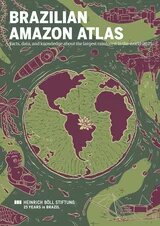
The Brazilian Amazon Atlas can serve as a gateway to knowledge of the region and as an instrument for learning about the complex relationships that make up this immense territory. From this, we hope that it can foster debates and dialogues, as well as inspire solutions to the different challenges, in order to encourage a sustainable and self-determined future for the Amazon and its peoples.
The Covid-19 pandemic in Brazil comes in the wake of the political polarisation that was accentuated in the 2014 presidential elections and the scientific denialism used by the current government of President Jair Bolsonaro. Experts estimate that the way the president handles the most serious health crisis in recent decades is a reflection of this scenario.
The rate of deforestation in Amazonia during the Bolsonaro era has risen dramatically, now also spurred by the Covid-19 crisis. This publication takes closer look at the complex social, economic and political causes of deforestation and land degradation in the so-called "lungs of the planet".