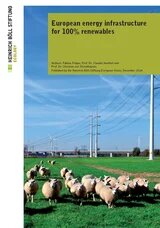
The EU faces critical decisions on energy infrastructure planning and deployment to meet its climate goals, aiming for a 55% emissions reduction by 2030 and net-zero by 2050. A 100% renewable energy system, eliminating fossil fuels and nuclear energy is seen as the most viable solution. However, current EU energy infrastructure policy and planning are insufficient, risking lock-in to outdated technologies.
In order to advance the European energy transition and distribute the costs and benefits more fairly, the EU must find better steering instruments. This policy paper provides recommendations for the necessary acceleration of the European energy transition.
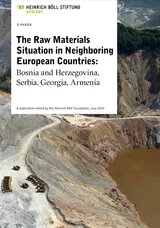
Critical raw materials and rare earths are of great economic importance for the European Union. This publication reflects the raw materials situation in four neighboring European countries: Bosnia and Herzegovina, Serbia, Georgia, and Armenia.
The European Union faces the enormous challenge of having to achieve the necessary climate targets it has set itself, while at the same time increasing industrial competitiveness and ensuring public services of general interest. A sustainable European financial architecture based on three pillars is needed to finance these green-social investments at EU level. It is presented in this policy paper.
The fourth edition of the European Green Deal Barometer, the annual survey by the Institute for European Environmental Policy (IEEP), gathers sustainability experts’ views on the progress of the European Green Deal’s implementation. The 2024 EU elections are considered by sustainability experts to negatively impact the European Green Deal implementation. However, these experts believe the agenda will be maintained by the new European Commission.
Core services, including energy, food, water, housing and healthcare, are essential for a decent standard of living. The economic dynamics of these services in Europe, however, vary greatly, particularly in the extent of commercialisation. Essential healthcare stands out as a service delivered largely outside of the market; by contrast, food and energy are commercialised in most
European countries. The commercialised status of energy in Europe can have an impact on living standards, particularly when accompanied by inadequate regulation.
The climate crisis and energy price explosion have made it clear: the EU cannot afford its dependency on fossil fuels anymore. How to deal with these enormous challenges? Our 100% Renewable Action Plan for the European Commission 2024-2029 describes what needs to happen to harvest the benefits of renewables.
It is very clear that if the EU wants to make a fair contribution to the effort to limit temperature rise to 1.5°C, it will need to follow the recommendation of UN Secretary General Antonio Guterres and aim for achieving net-zero GHG emissions by 2040 rather than by 2050. This means the new EU 2040 target should become a net-zero target. It makes sense for the EU to set a very ambitious 2035 target of around 95% net GHG emission reductions at the same time.
The Europe Sustainable Development Report 2023/24 (5th edition) provides an independent quantitative assessment of the progress by the European Union, its member states and partner countries towards the Sustainable Development Goals (SDGs).
This study shows that climate change requires central bank intervention and that – in anticipation of climate risks – the ECB can and should double down on its pledges to green central bank activities. Against this background, the report identifies numerous concrete policy options, from enhancing green tilting approaches in asset purchasing programmes to offering favourable refinancing terms to banks engaged in green lending.