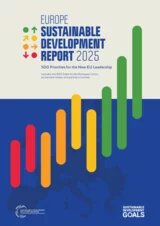
The Europe Sustainable Development Report 2025 provides an independent quantitative assessment of the progress of the European Union, its member states and partner countries towards the Sustainable Development Goals. This sixth edition identifies SDG priorities in a context where the new EU leadership, including the European Commission, Parliament and Council of the EU, has recently been established for 2024-2029 mandate.
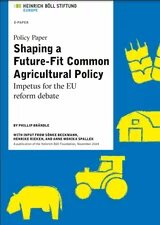
For more than half a century, the European Union's agricultural policy has focussed primarily on increasing agricultural productivity and the cost-effective production of food. This policy paper provides recommendations for action that are largely possible without amending the EU treaties.
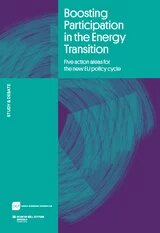
As the European Green Deal enters its delivery phase, a fair, participatory energy transition is vital. This report explores tools to ensure that EU policies balance environmental sustainability with social equity, fostering resilience and inclusion.
The Soil Atlas 2024 not only highlights the consequences of the global loss of fertile soil, but also shows the potential of sustainable and fair land use for climate protection and biodiversity.
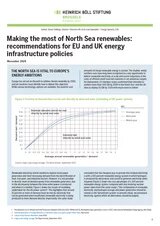
Europe has set out on the path to achieve climate neutrality by 2050, and all countries must identify how to deliver this objective. While various technology options are available, the need for vast amounts of cheap renewable energy is certain. The shallow, windy northern seas have long been recognised as a key opportunity to deliver renewable electricity at scale and recent reductions in the costs of offshore wind have led countries to set ambitious targets for deployment.