This analysis argues that democracy should feature more prominently in the Global Europe pillar of the Multiannual Financial Framework (MFF), both in terms of objectives and of instruments. It then locates democracy among the European Union’s external strategic objectives, arguing for a more central role as democratic governance has the potential to contribute to other policy objectives such as security and economic development.
The 2028–2034 MFF proposal acknowledges social pressures but risks diluting the EU’s social dimension. Social spending is consolidated in new National and Regional Partnership Plans Plans without a dedicated European Social Fund line, while guarantees are weakened. Major challenges include limited funding, weaker local roles and competing budget objectives.
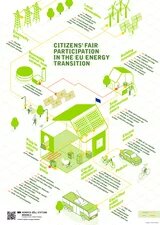
The energy transition can help people save money through solar panels, energy-efficient homes and electric transport. But not everyone can afford these new technologies. The EU has rules and support to make the transition fair for everyone. Our infographic shows how people can benefit and protect themselves from rising fossil fuel prices.
Across Europe, cities are grappling with an intensifying housing crisis that affects a wide spectrum of urban residents, from the most vulnerable to essential workers and middle-income earners. Increasing numbers of residents face eviction, leading to higher rates of homelessness in urban centres. This handbook by Eurocities presents a wide range of practical approaches in 10 European cities addressing key housing challenges, highlighting strategies that combine affordability, social inclusion, and sustainability.
Amsterdam, Barcelona, Bonn, Ghent, Gotheburg, Lyon Metropole, Milan, Rome, Vienna, Vilnius
As the European Green Deal enters its delivery phase, a fair, participatory energy transition is vital. This report explores tools to ensure that EU policies balance environmental sustainability with social equity, fostering resilience and inclusion.