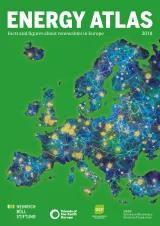
The European Energy Atlas shows a clear alternative: It not only provides a compass on the different energy discussions in different Member States but also reveals how a Europeanization of the energy transition will be the more efficient and cost-effective option for all Europeans.
The study demonstrates the complexity of climate co-funding, the local obstacles in host countries, and the inadequacy of supervisory procedures. It also shows the importance of integrating climate change, human rights and gender equality policies into the development of geothermal projects and their enforcement at country level.
Indonesia is the world’s largest palm oil producer and exporter. Human rights are being violated in the plantations and the rising exploitation for renewable energy and biofuels brings further violence and criminalisation. How can the EU contribute to a sustainable palm oil production in Indonesia to best preserve nature and human rights?
How to plan and design renewable energy projects as a way to fulfill domestic climate commitments? A Mexican case study into wind farm projects in Oaxaca and infringements of the rights of indigenous peoples.
The EU is still getting to grips with the need to transition to a fully decarbonised economy, the political economy challenges of deep decarbonisation, the need to develop a regime to manage climate risk, and with aligning its own efforts with those of non-state actors such as cities and progressive businesses. How does climate governance fit within the ‘Future of Europe’ process led by the European Commission?
Without the ocean there would be no life on our planet. But the future of this unique ecosystem faces a grave threat today. The Ocean Atlas 2017 delivers with its 18 contributions and 50 graphics the relevant facts and figures about the ocean.
Linking human rights and a gender-responsive approach to climate actions, can avoid harmful unintended consequences and maximize social benefits of programmes and projects. This interim report provides a general assessment of how to effectively integrate human rights and gender equality as well as the broader SDG agenda into EU climate actions.
In 2003, the Belgian government decided on a phase-out of its nuclear power fleet by 2025. The policy brief investigates the current Belgian electricity landscape in preparation of this phase-out. In how far is Belgium prepared and ready to fill the gap with renewable energy sources?
Countries in the Middle East and North Africa (MENA) are blessed with huge and diversified renewable energy potential. Given the ever-increasing role of renewables in the energy mix of the EU, renewable energy cooperation has been a major pillar of the EU-MENA partnership.