The Role of the European Union in Its Neighbourhood and in the World The Role of the European Union in Its Neighbourhood and in the World With an unleashed US president seemingly determined to destroy tried and trusted transatlantic ties along with the multilateral order that the United States created together with its Western European allies after WWII, the European Union finds itself more and more on its own. The EU has to (re)define what role it wants to play in a global context and in its neighbourhood. In light of the loss of important military and soft power through Brexit and the ongoing internal crisis characterised by Euroscepticism and right-wing populism, this prospect is uninviting, but urgency and necessity are obvious. In this web dossier, we will focus on three topics: the Western Balkans enlargement strategy; the conflicts in the Middle East (Jerusalem, Syria), the refugee crisis and the transatlantic tug-of-war. The Transatlantic Stress Tests Article During the past seven decades, transatlantic ties have been tested repeatedly. They have included economic conflicts, competition for markets, dealing with armed conflicts and cultural clashes. Europe and the US share both the challenges and the consequences for either success or failure which makes the transatlantic relationship more important now than it has been since the end of the Cold War. Jackson Janes Searching for Asylum in the Mediterranean Article The need to balance humanitarian responses and legal obligations while ‘ending’ irregular migratory journeys has overwhelmed the EU for the past three years. A patchwork of policies emerged as a response to the ‘refugee crisis’ of 2015. Who undertakes the responsibility for search and rescue, disembarkation and asylum processing? Angeliki Dimitriadi Can the EU Help Syria? Article Two major issues in the Syrien conflict are the strenght of the IS and migration flows. The country needs stability and the EU should contribute to the resolution of the conflict. However, will peace talks and humanitarian assistance be able to bring stability? Paweł Pieniążek Out of Focus: the EU’s Relations with the Western Balkans Article The EU has lost a great deal of its standing and influence in the Western Balkans. Domestic political elites consolidate their power through ever-tightening control over civic space. Why do millions of euros in governance and civil society assistance have failed to support robust democracies? Toby Vogel Circumventing Red Lines: The Paradigmatic Shift in Israel’s Policy on Jerusalem Article Israeli and Palestinians share a complex urban reality in Jerusalem. Fair policies for both communities could help enhance the living environment in the city and the personal security of all its residents in order to reduce tensions in the city such as the unilateral alteration of boundaries. Betty Herschman, Yudith Oppenheimer Trump’s Challenge: What Can the EU Do to Prevent Escalation in Jerusalem? Article Jerusalem has seemingly forever been at the epicentre of conflicts in the Middle-East. The Israeli-Palestinian conflict has proven no different. Sovereignty over Jerusalem remains deeply contested between Israelis and Palestinians with both sides laying claim to the Haram al-Sharif / Temple Mount. Hugh Lovatt Taking the Lead Where Others Don’t - Suggesting Pillars for Conflict Resolution Intervention Led by the European Union - Executive Summary Article The conflict in Syria, considered to be the worst humanitarian crisis the world has faced since World War II, continues to have devastating effects on its people and an increasingly destabilising impact on the wider region. The EU can make a difference in conflict solving. George Ghali
The Role of the European Union in Its Neighbourhood and in the World With an unleashed US president seemingly determined to destroy tried and trusted transatlantic ties along with the multilateral order that the United States created together with its Western European allies after WWII, the European Union finds itself more and more on its own. The EU has to (re)define what role it wants to play in a global context and in its neighbourhood. In light of the loss of important military and soft power through Brexit and the ongoing internal crisis characterised by Euroscepticism and right-wing populism, this prospect is uninviting, but urgency and necessity are obvious. In this web dossier, we will focus on three topics: the Western Balkans enlargement strategy; the conflicts in the Middle East (Jerusalem, Syria), the refugee crisis and the transatlantic tug-of-war.
The Transatlantic Stress Tests Article During the past seven decades, transatlantic ties have been tested repeatedly. They have included economic conflicts, competition for markets, dealing with armed conflicts and cultural clashes. Europe and the US share both the challenges and the consequences for either success or failure which makes the transatlantic relationship more important now than it has been since the end of the Cold War. Jackson Janes
Searching for Asylum in the Mediterranean Article The need to balance humanitarian responses and legal obligations while ‘ending’ irregular migratory journeys has overwhelmed the EU for the past three years. A patchwork of policies emerged as a response to the ‘refugee crisis’ of 2015. Who undertakes the responsibility for search and rescue, disembarkation and asylum processing? Angeliki Dimitriadi
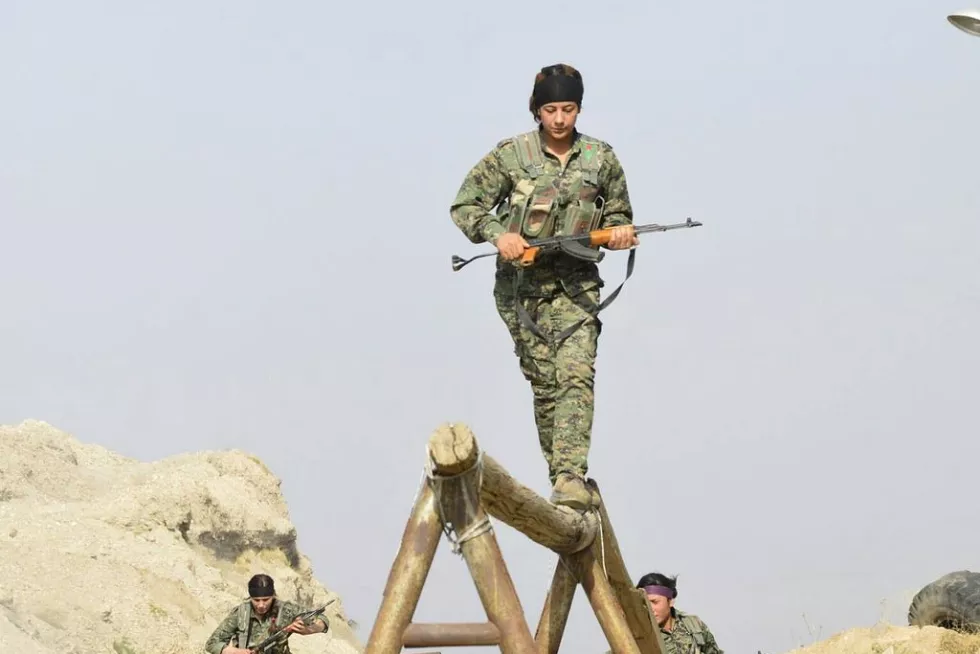
Can the EU Help Syria? Article Two major issues in the Syrien conflict are the strenght of the IS and migration flows. The country needs stability and the EU should contribute to the resolution of the conflict. However, will peace talks and humanitarian assistance be able to bring stability? Paweł Pieniążek
Out of Focus: the EU’s Relations with the Western Balkans Article The EU has lost a great deal of its standing and influence in the Western Balkans. Domestic political elites consolidate their power through ever-tightening control over civic space. Why do millions of euros in governance and civil society assistance have failed to support robust democracies? Toby Vogel
Circumventing Red Lines: The Paradigmatic Shift in Israel’s Policy on Jerusalem Article Israeli and Palestinians share a complex urban reality in Jerusalem. Fair policies for both communities could help enhance the living environment in the city and the personal security of all its residents in order to reduce tensions in the city such as the unilateral alteration of boundaries. Betty Herschman, Yudith Oppenheimer
Trump’s Challenge: What Can the EU Do to Prevent Escalation in Jerusalem? Article Jerusalem has seemingly forever been at the epicentre of conflicts in the Middle-East. The Israeli-Palestinian conflict has proven no different. Sovereignty over Jerusalem remains deeply contested between Israelis and Palestinians with both sides laying claim to the Haram al-Sharif / Temple Mount. Hugh Lovatt
Taking the Lead Where Others Don’t - Suggesting Pillars for Conflict Resolution Intervention Led by the European Union - Executive Summary Article The conflict in Syria, considered to be the worst humanitarian crisis the world has faced since World War II, continues to have devastating effects on its people and an increasingly destabilising impact on the wider region. The EU can make a difference in conflict solving. George Ghali